ALICE (now known as actabl) is a hospitality platform that aims to streamline hotel operations and staff communication. It creates visibility and transparency in daily task management, increasing guest satisfaction by boosting staff productivity.
Role
Product Designer
Timeline
One year, from ideation to pilot launch
Team
Context
Housekeeping is by far the largest department in a hotel. Planning, coordinating and managing their operation is a huge task and a big challenge that happens each and every morning. To this day, some hotels operate on a paper-and-radio basis, which creates so much room for miscommunication, human error and a decentralized source of information. Skipping a room or keeping a guest waiting are things that can destroy a hotel’s reputation, which significantly impacts their business.
Project goals
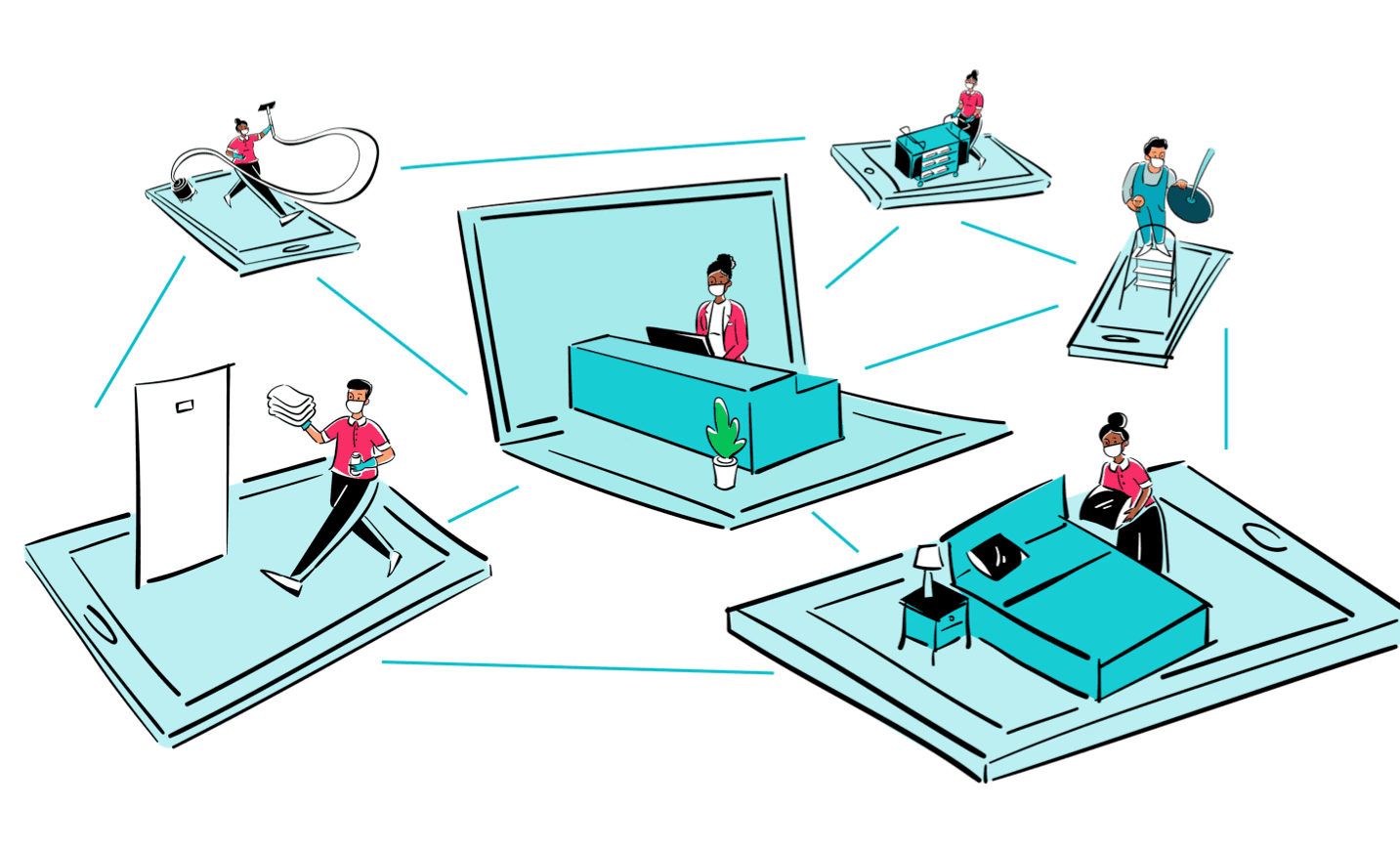
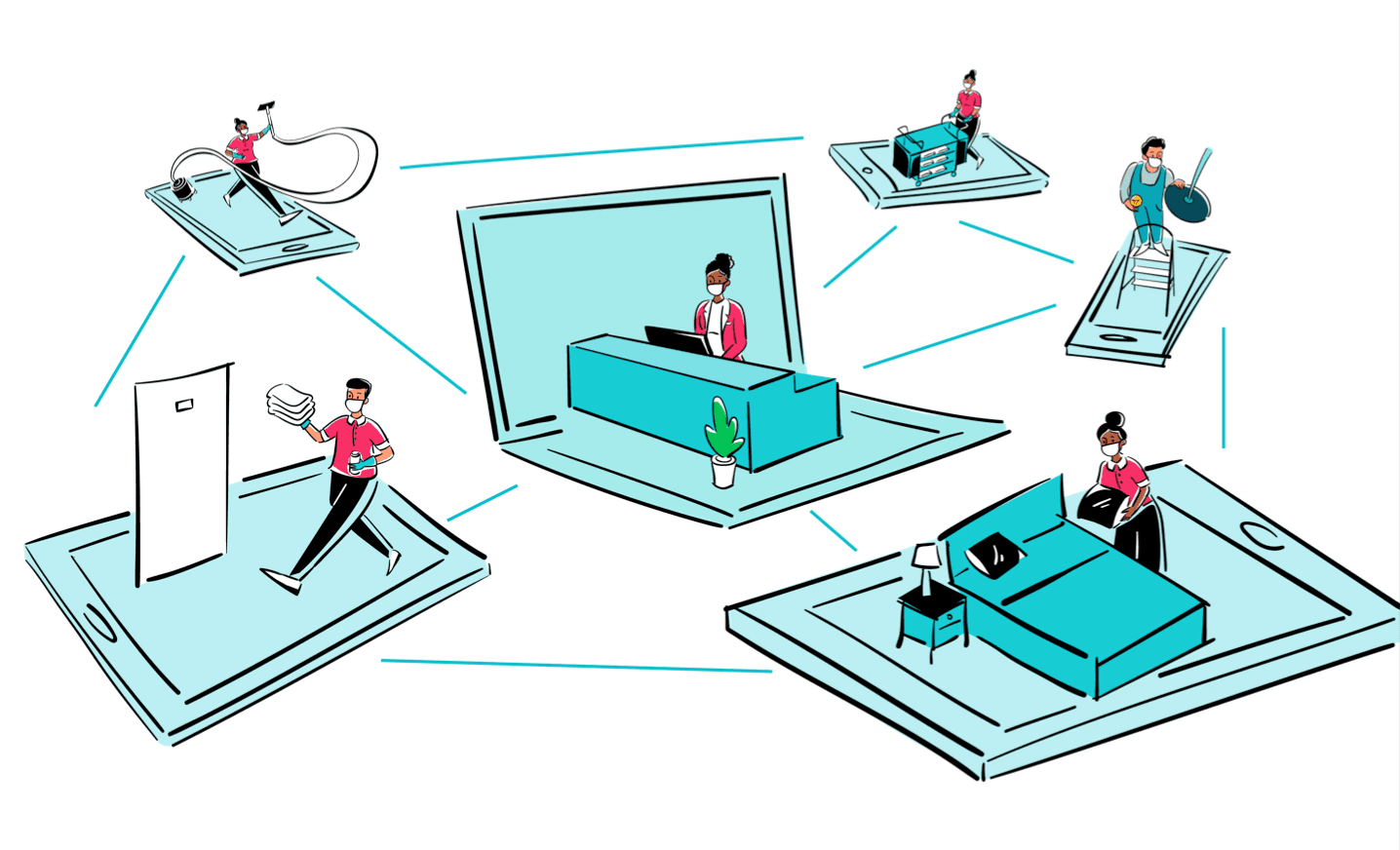
Housekeeping was the final piece that had been missing in the ALICE puzzle. We covered every other department of the hotel, but because of the intricate housekeeping workings, we weren’t able to integrate them into our existing workflow.
We set out to create, from scratch, a housekeeping module that would optimize the room assignment process and increase interdepartamental, cross-functional communication. This would not only make the lives of hundreds of room attendants and managers easier, but also unlock the last niche of the hotel universe that our product did not reach yet.
Research
To kick off the process, we needed to gather insight into how the housekeeping world functioned. Our design team did several on-site research trips where they interviewed housekeeping staff, shadowed their workday, asked questions, and most importantly, documented everything. Here’s a summary of the research insights:
Who makes the team:
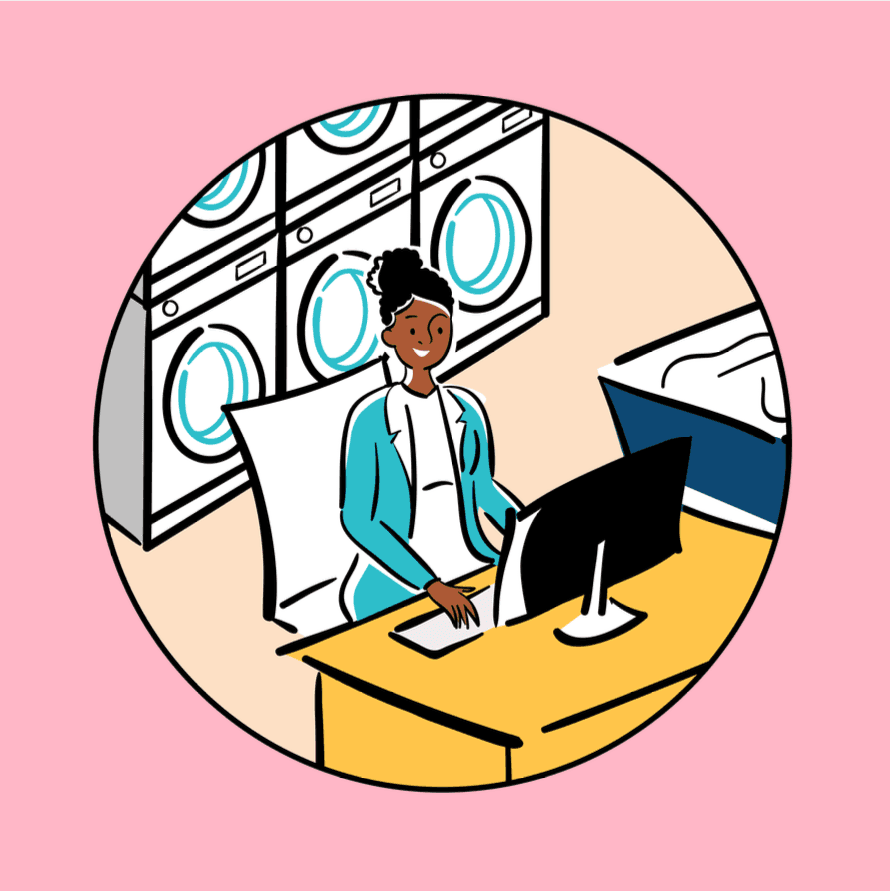
Manager
Manages staff availability
Assigns rooms for cleaning
Monitor tasks and statuses
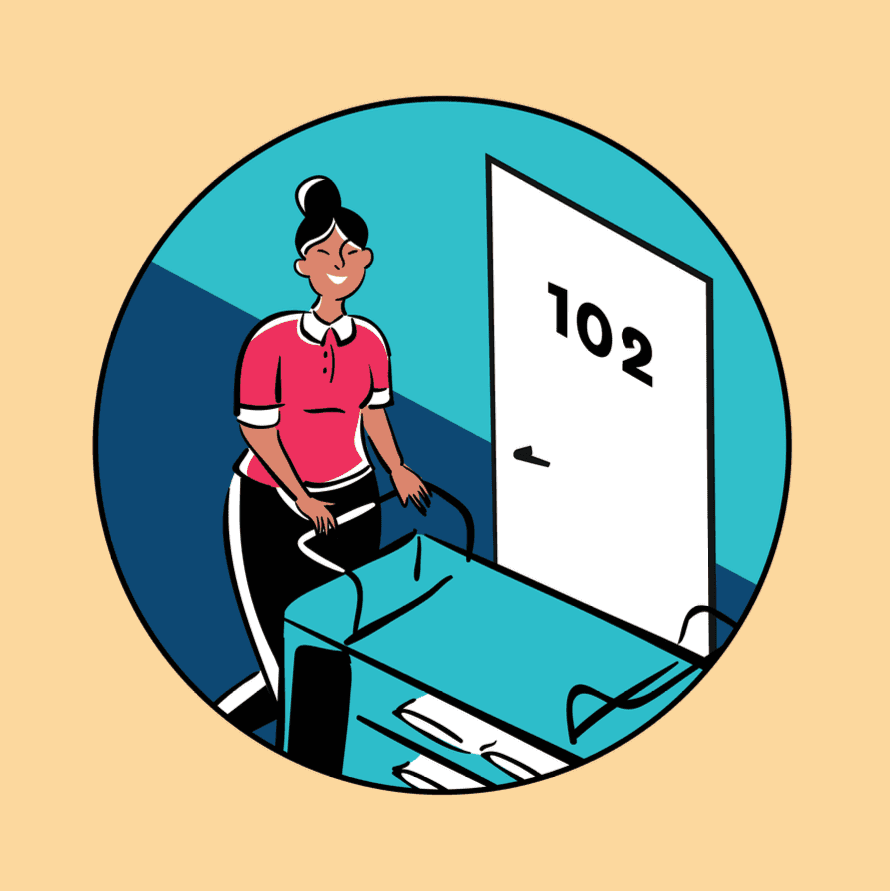
Room Attendant
Cleans rooms
Works on special projects, like deep cleaning
Reports existing issues in rooms
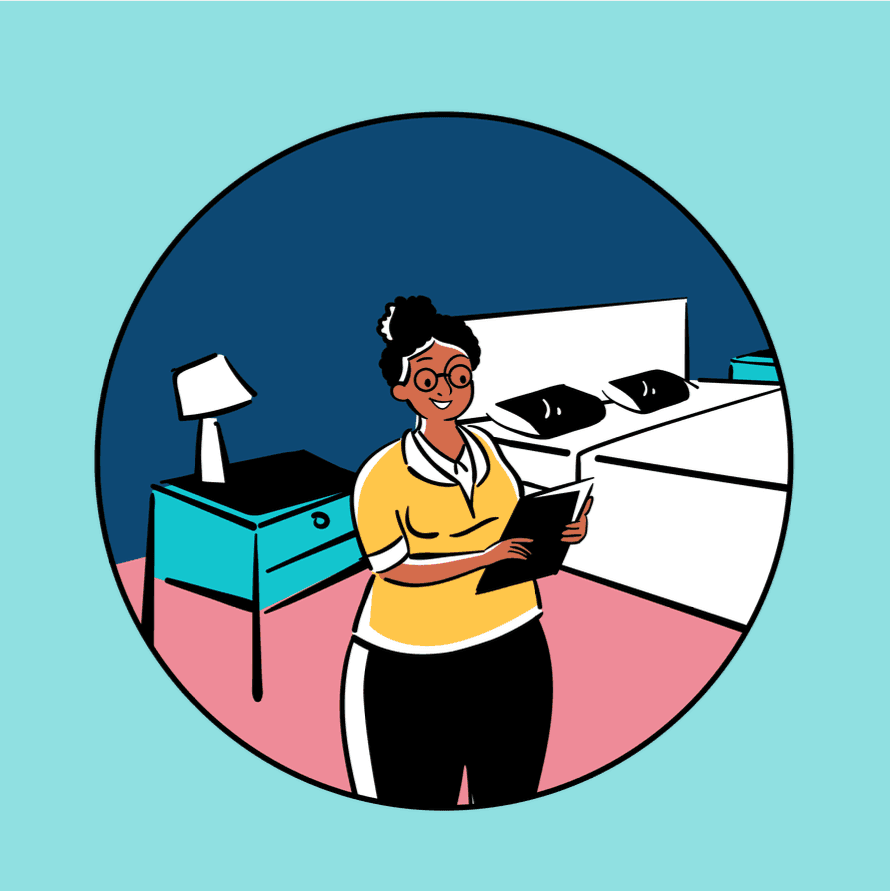
Supervisor
Ensures all rooms meet the highest cleaning standards
Conducts inspections in guest rooms
Responsible for Room Attendants' progress
Demographic insights
The team interviewed over 100 users in 40 different hotels across the United States, Europe and Latin America. This is the demographic profile of the Housekeeping department:
44 years old
average age
50% of them
are immigrants
More than thirty
languages spoken
Understanding the users
Housekeeping teams were very used to operating with paper lists full of handwritten notes, white boards with guest information and a lot of back and forth over radio to keep things running smoothly. For the product to be successful, we had to respect, study and incorporate the users' operational traditions into our experience and interfaces.

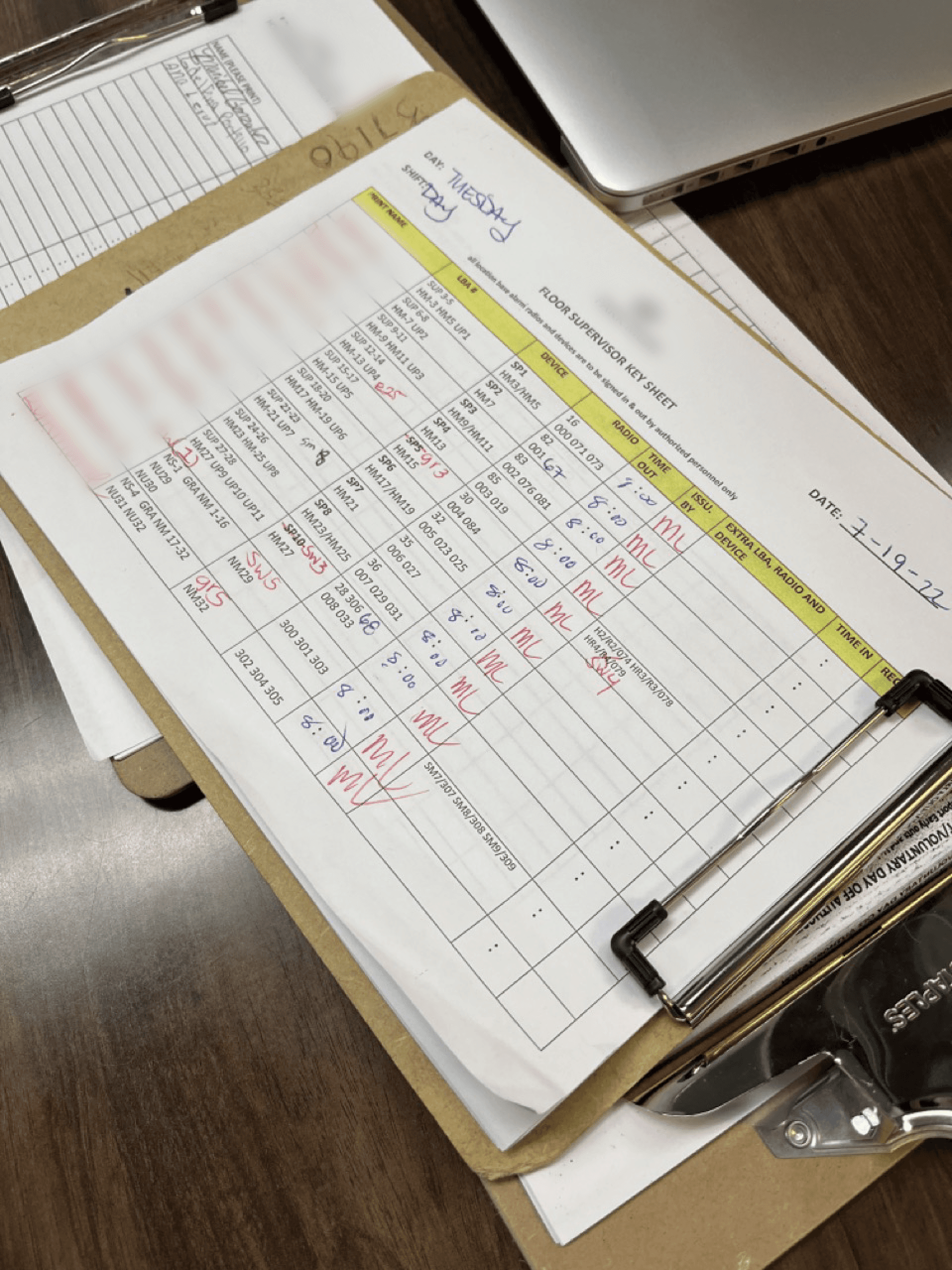

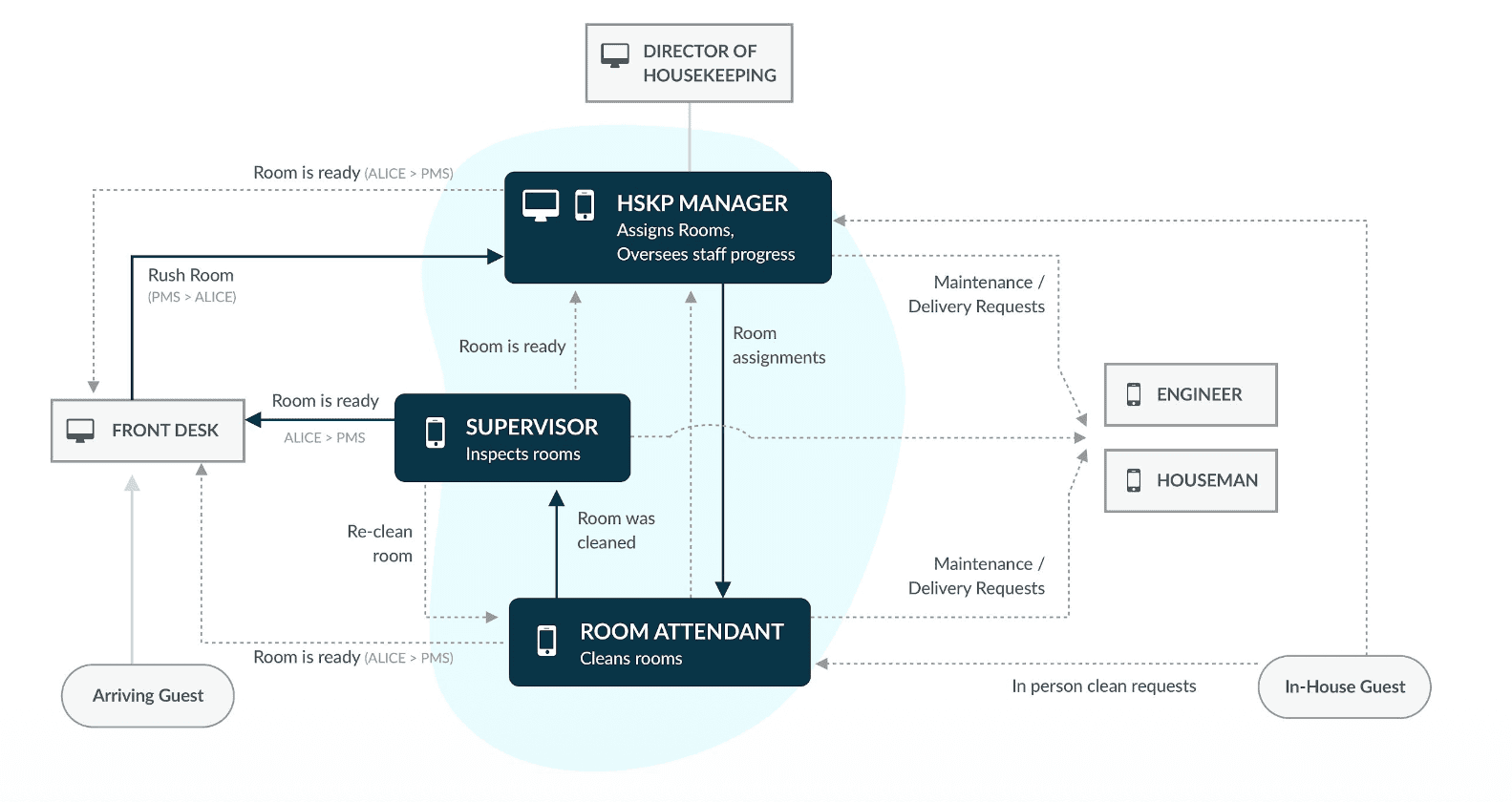
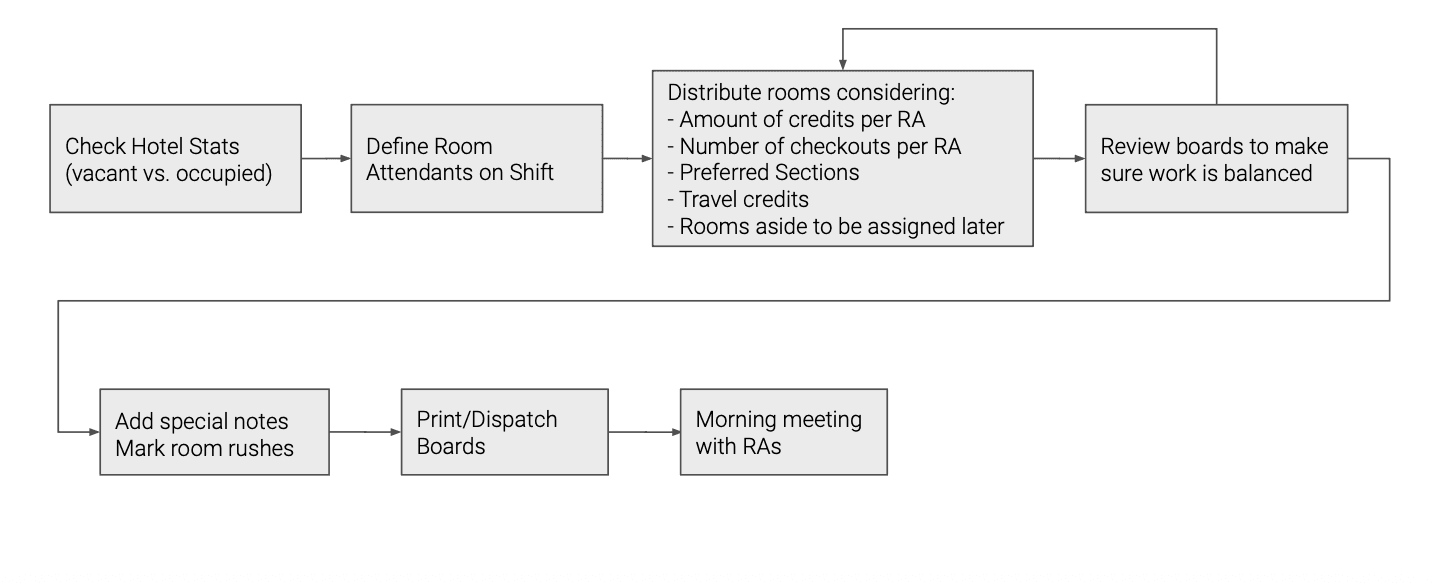
One of my favorite parts of the process was helping translate all of the knowledge we collected into valuable insight (for decision making) and easier-to-digest graphics (for both process documentation and to facilitate cross-functional communication).
Some paint points
Their major, most consistent complaint was the lack of real-time communication, and that happened for two reasons: paper lists become obsolete every time there's a change in plans, which happens quite frequently in hotels; Also, Housekeeping depends heavily on other departments, like Front Desk, for all reservation and guest-related information*; or maintenance, in case there's any issues with a room. They had a big need for a centralized, real time platform where every team could be on the same page.
* more of this in the 'Visual language' section of this page,
Exploration and validation
With all insight collected, documented and discussed, we were able to start sketching our first initial ideas. We started with very low-fidelity wireframes, which was one of my main responsibilities in this role: to create and experiment with alternatives for user flows and possible solutions, and connect screens to what would be a first, lo-fi version of a prototype. This allowed us to experiment with form and function, and later on test the functionality with hotel staff to validate our assumptions
Wireframes
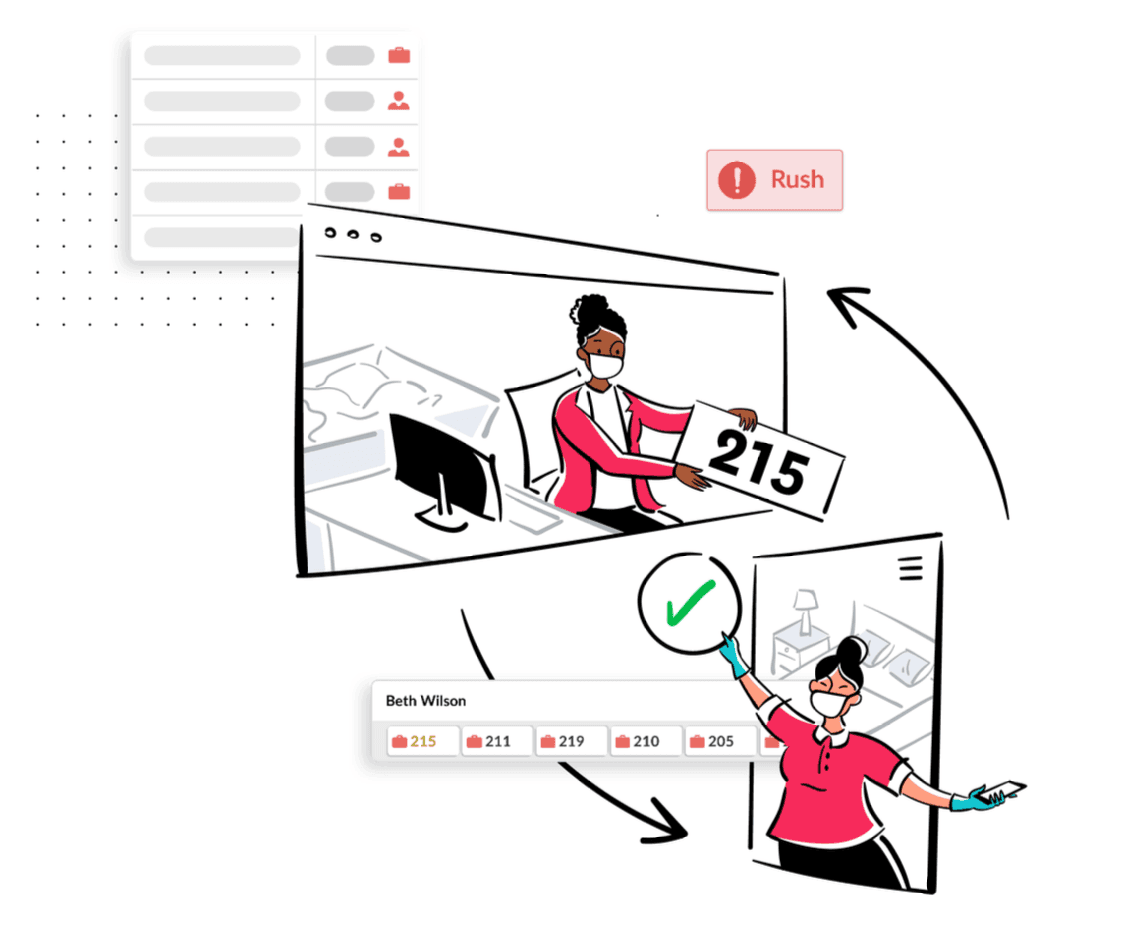
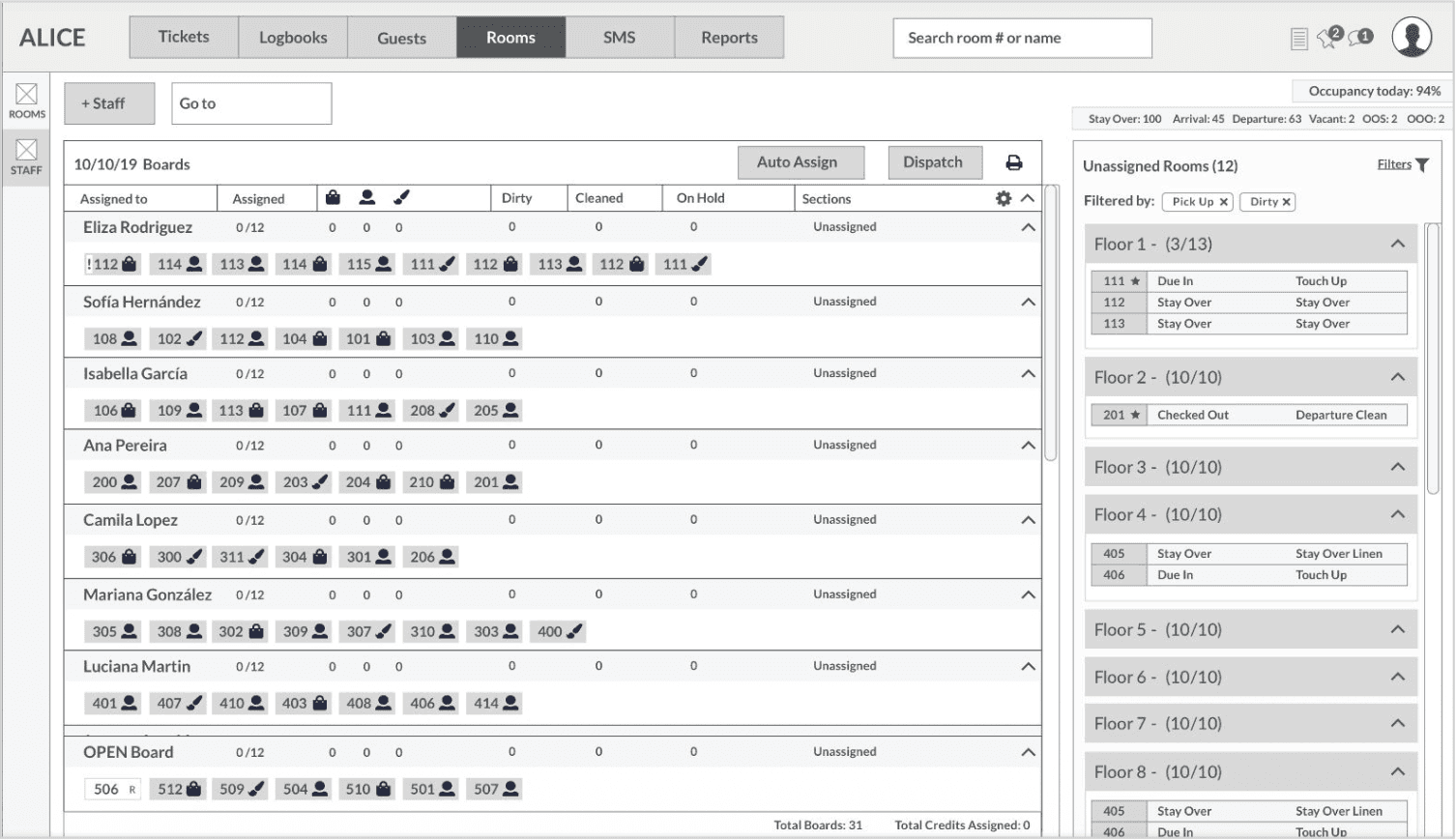
For the manager module, we tried keeping a similar structure to a white board: a major list with all of the room attendants working that day; and the rooms that they have to clean, in due order. The manager would be able to quickly have an idea of the cleaning progress with just a glimpse of the dashboard.
For the room attendant and supervisor modules, we aimed for the same hierarchy as a paper list. Room, task and guest details could be easily accessed by tapping into a room. Attendants could report on cleaning status as they moved through the rooms, or quickly report any issues found. Supervisors could track staff progress and access inspection checklists directly within the app.
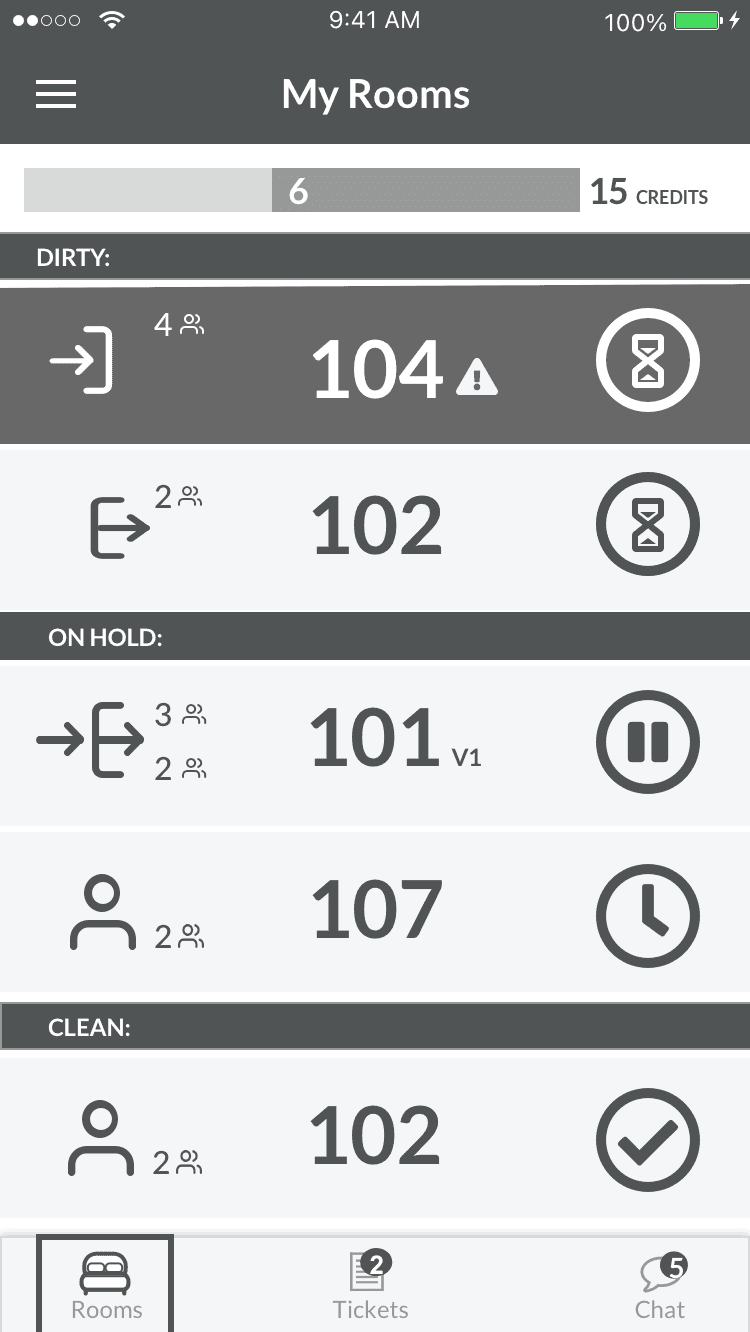
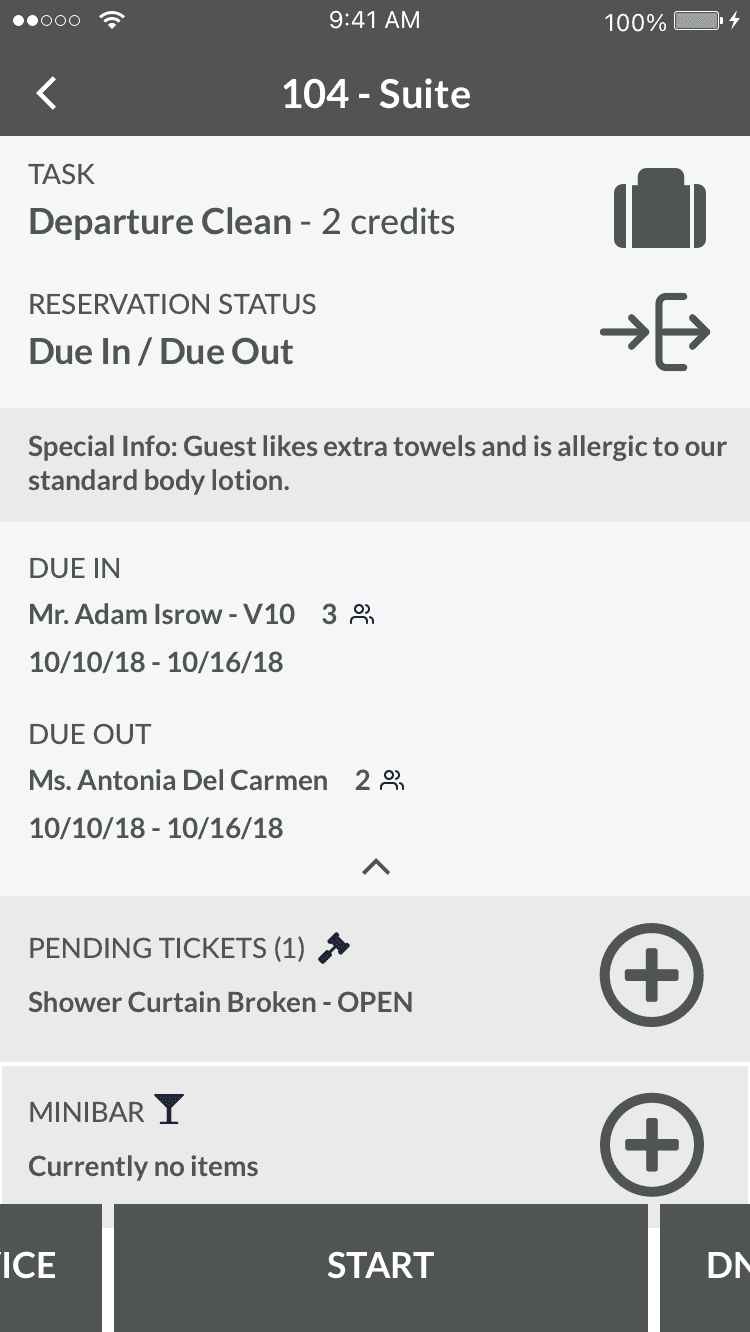
Room attendant view
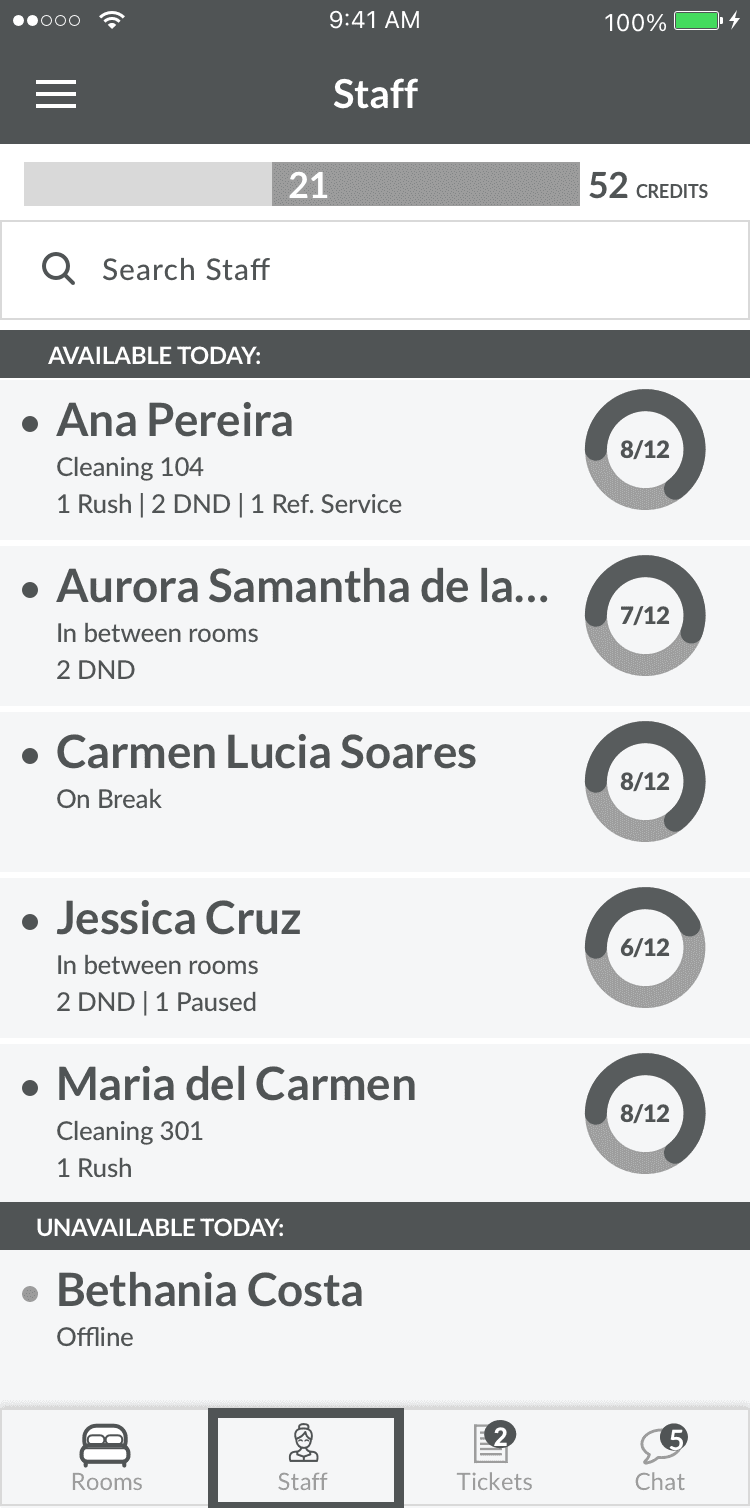
Supervisor view
Visual language: translating systems
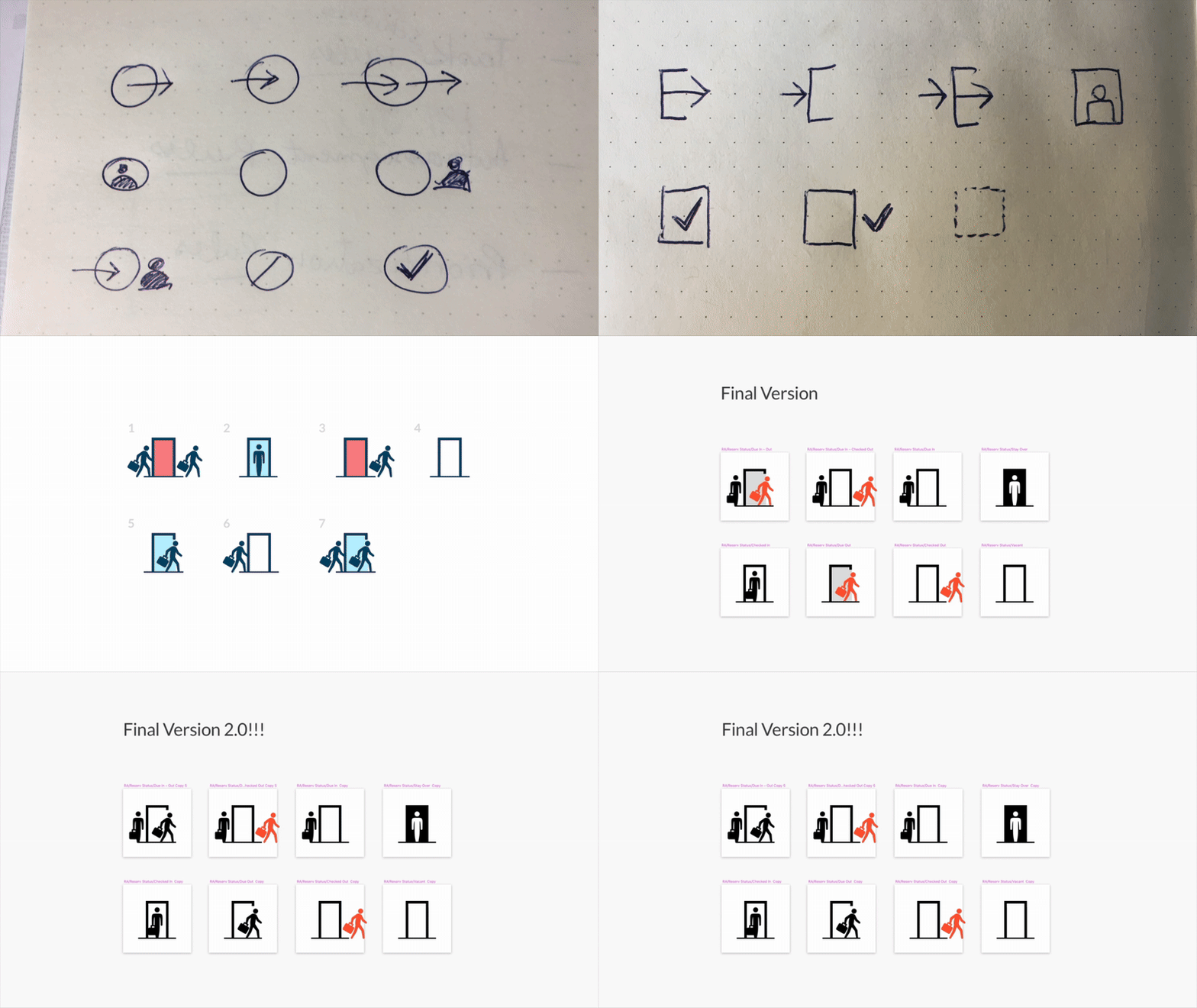
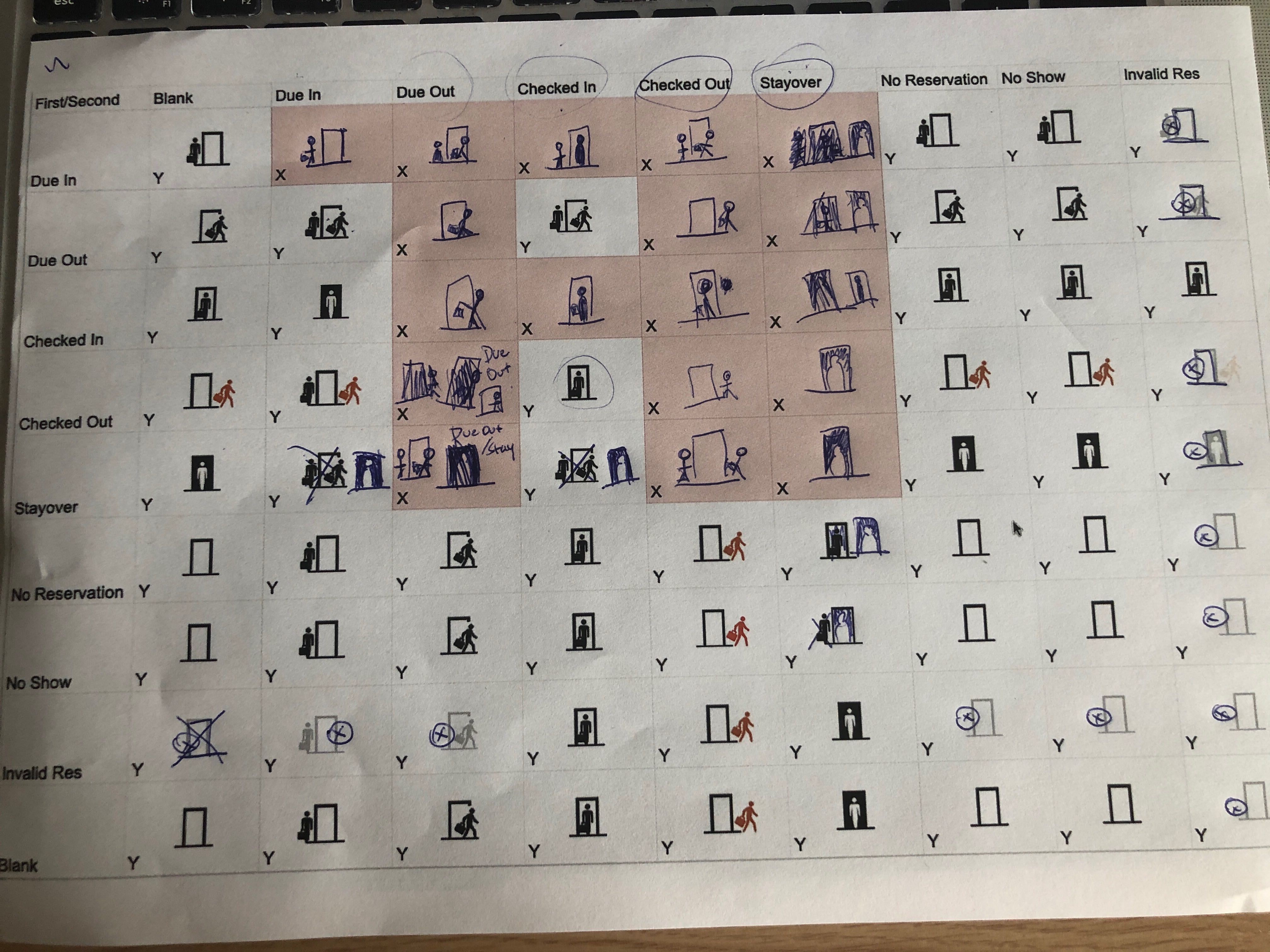
Hotels also depend on another platform, usually called PMS (Property Management System), where they store and manage all guest and reservation data, This data is extremely important to the Housekeeping team so they can plan their cleaning accordingly, like prioritizing VIP guests, cleaning rooms that have guests due for check in before stay-overs, etc. We carefully studied this language to properly integrate it into our experience.
Because Housekeeping departments are mostly made of mid-aged immigrants, we needed to consider language barrier and lack of tech-savvy-ness into our interface for it to be as accessible as often. We aimed to develop a system that, by using heavy iconography and thoughtful color coding, would enable users to communicate easily with each other without needing much words.
UI design + delivery
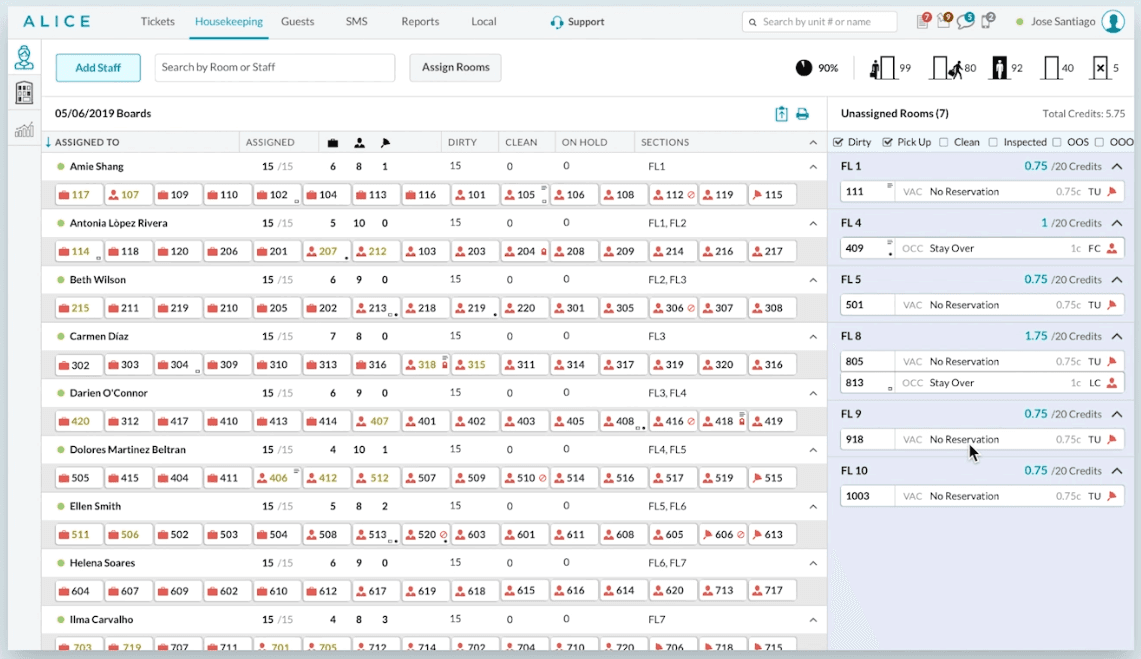
I believe that the heaviest amount of work I did for this project was designing UI components and refining all of our visual experimentations by exploring alternative solutions. At this point, we were also migrating from Sketch to Figma, which required massive organization of our library of components. I was responsible for creating and maintaining our Design System, with atomic components and responsive layouts, which later on evolved to include the rest of the modules available in our platform.
The housekeeping project was also happening simultaneously to our company applying the Agile methodology of product development. We supported the team by writing User Stories, chopping the experience and the interface into smaller parts so we could build the pieces little by little. It was an interesting practice to see our work from that perspective, and it actually helped us to put extra thought into each step of the process.
Here's a look into our first version of the UI that was implemented:

On site research: user validation
Throughout this process and after the pilot launch, we took the wireframes and prototypes to hotels to test our product out in the field. Again, we aimed to interview different demographics to get a good grasp on the universality of the software we were designing. It was such a good learning experience getting to see the product actually being used by its inteded users, collecting feedback straight from the source and applying the changes within our next iteration.

Impact and Metrics
ALICE Housekeeping was a big win for the company and a huge success amongst the Housekeeping departments that signed up to use it.
Here's some of the impact it made:
635
signed customers